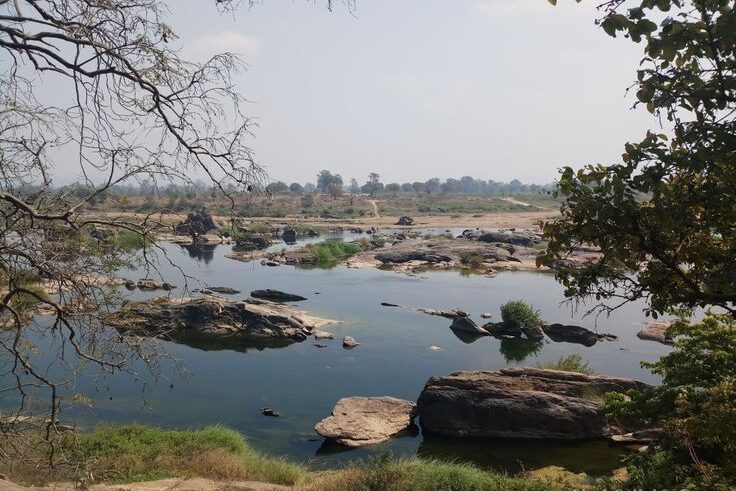
Introduction: Rajim, Where Three Rivers Shape Faith, Time, and Everyday Life
Rajim isn’t a loud city teeming with trendy cafes or flashy lights. It’s an old-world pilgrimage town in Chhattisgarh where time feels slower, devotion feels heavier, and the river current seems to carry both myths and everyday life along its course. Locals call it the “Prayag of Chhattisgarh” — echoing the name of Allahabad (Prayagraj) — because here three rivers, Mahanadi, Pairi, and Sondur, converge at a sacred Triveni Sangam.
But beyond the label and devotional pull, Rajim is a layered experience — part spiritual odyssey, part contemplative retreat, and part cultural snapshot of central India. Let me take you on a journey through the town, from its temples and rituals to its daily life and hidden corners.
Table of Contents
Morning at the Triveni — Where the Water Tells Its Story
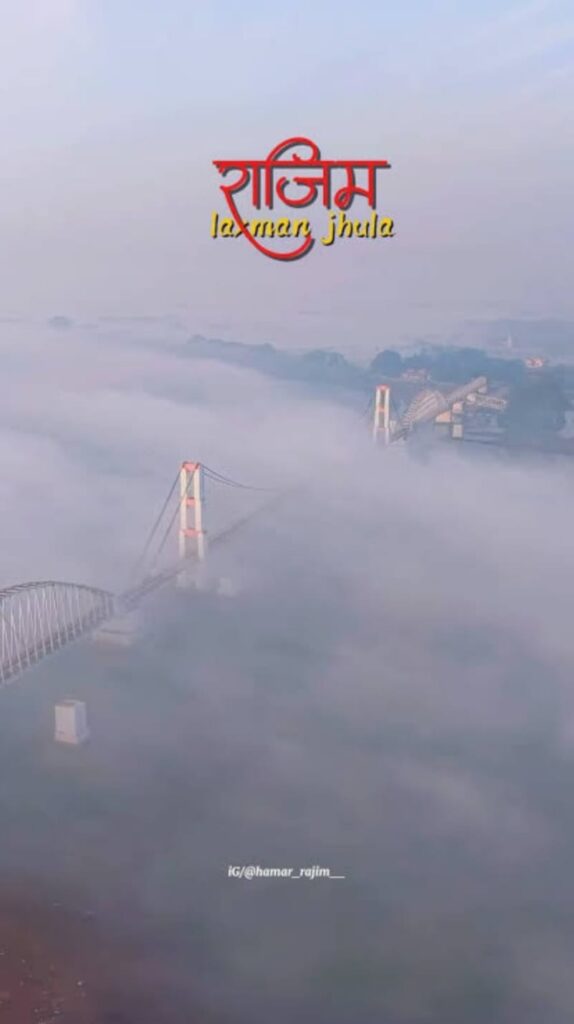
It’s early. Before the sun smolders the earth, I am standing by the ghats where Mahanadi, broad and reflective, blends with the slender flows of Pairi and Sondur. There’s a kind of hush here — not silence, but a peace that feels almost intentional. Locals come with hands folded, bicycles leaning on walls, saris draped over shoulders, kids splashing gently in the shallows.
A holy dip at this Triveni Sangam is not just ritual; it’s the beginning of day for many. The morning light plays on rippling water, and for a moment, Rajim feels less like a place on the map and more like a state of mind.
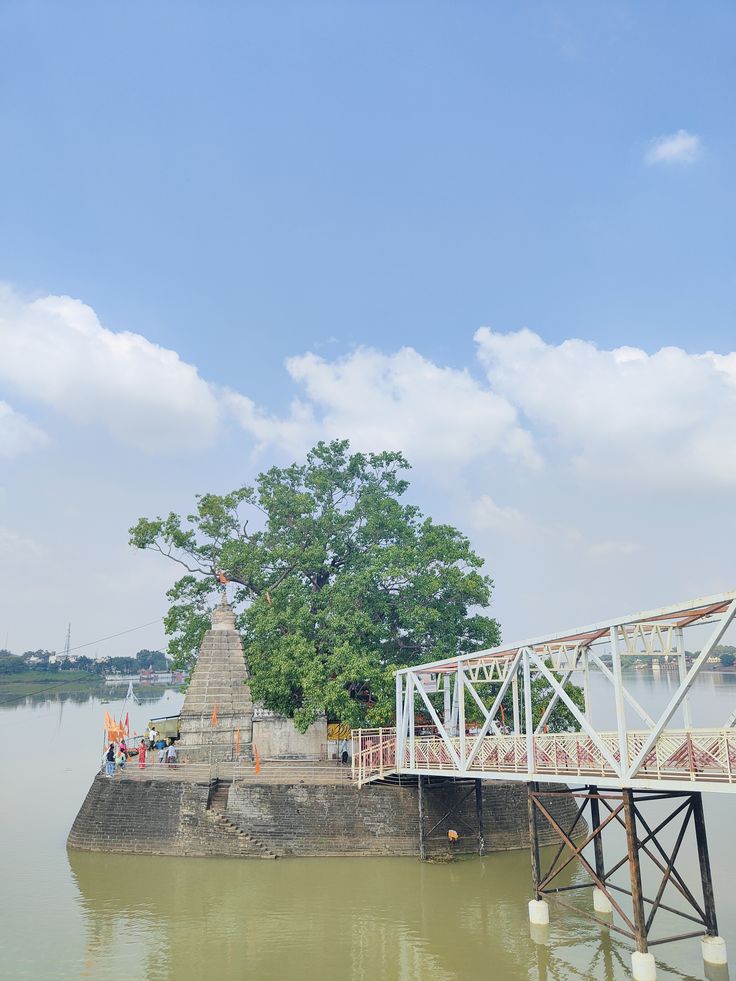
Lodged among the ghats are small shrines and the remains of ancient temples — reminders that this confluence has been sacred for centuries. You’ll find Kuleshwar Mahadev Temple right at the water’s edge, where legend insists Lord Rama and his companions performed rituals in exile.
Rajiv Lochan — Carved in Stone, Heavy in Spirit
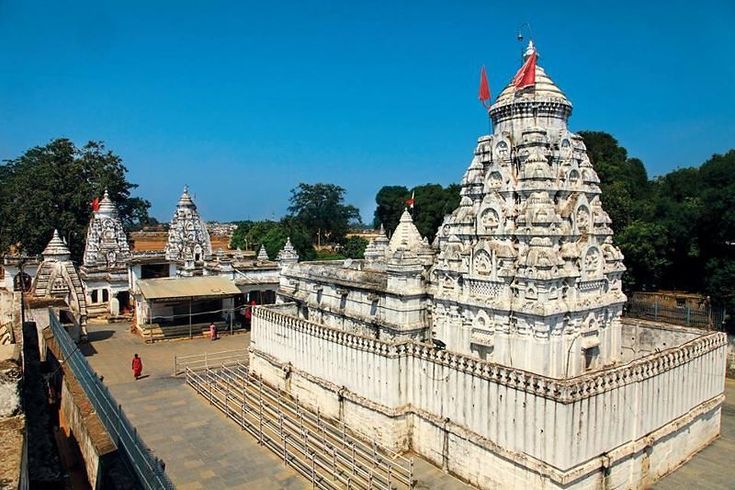
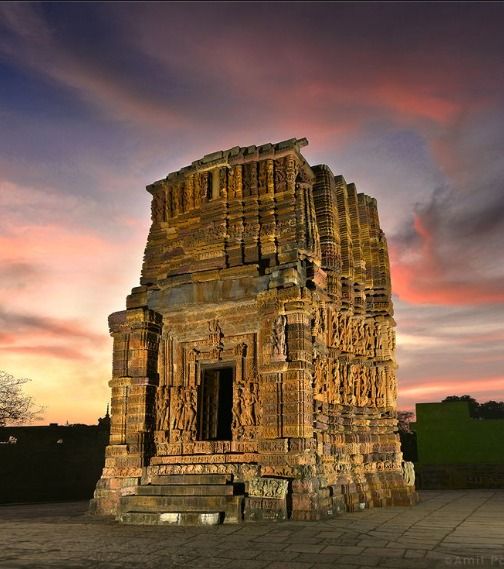
A short walk inland brings you to the Rajiv Lochan Temple, arguably Rajim’s spiritual anchor. Built around the 8th century CE, this Vishnu temple stands in a serene courtyard flanked by smaller shrines, each a study in old craftsmanship.
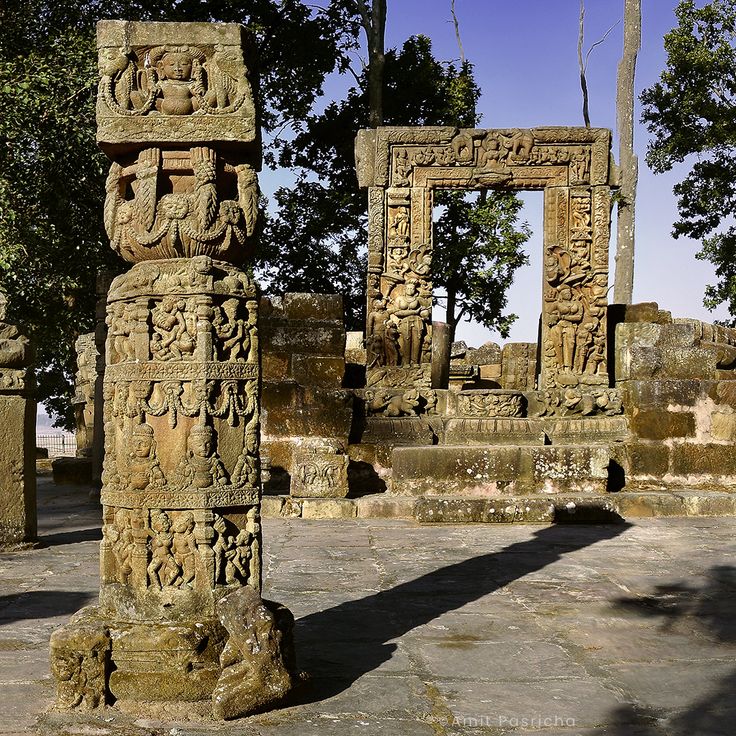
The carved pillars and relief figures aren’t just decorative — they’re narratives etched in stone: gods and goddesses, worshippers in meditation, mythical beasts that look as if they might step down from the stone floor at any moment. You feel the steady weight of history here, as if the walls themselves hum with centuries of devotion.
Unlike huge temple complexes in more popular destinations, Rajiv Lochan doesn’t crowd you with visitors. Instead, it feels personal — each carving invites you to look closer, to ask why this temple stood here so long ago and why pilgrims still return year after year.
Wandering Beyond the Obvious — Other Temples and Hidden Stories
Rajim’s spiritual geography isn’t limited to one big shrine. Walk its quieter streets and you stumble upon Ramachandra Temple, modest but earnest in its devotion, with history that predates some well-known constructions.
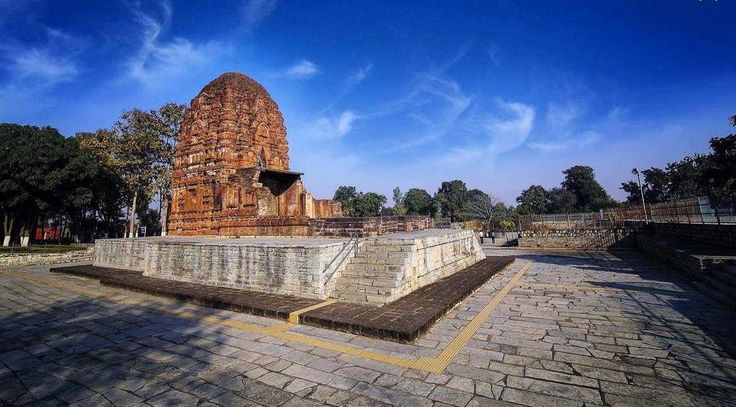
Then there are lesser-spoken places like Daneshwar, Jagannath, Pancheshwar Mahadev, Someshwar Mahadev, and Rajeshwar temples that scatter around town — each a thread in the fabric that makes Rajim feel lived in rather than curated for tourists.
It’s not a polished itinerary, and there are no gleaming information boards at every turn. But that’s what makes wandering here oddly satisfying. You discover a shrine tucked behind a neem tree, or hear a bell ring across open fields if you’re simply willing to step off the main road.
The Annual Kumbh — Rajim’s Time of Fire and Devotion
The idea of a “Kumbh” festival usually conjures images of Haridwar or Prayagraj, and for good reason — those are massive events. Yet Rajim hosts its own Rajim Kumbh Mela, often between mid-February and early March, around Magh Purnima to Mahashivratri.
Here, the scene is more humble but deeply rooted. Pilgrims arrive days early, cool winter air carrying the scent of incense and chai. There are panchkoshi yatra processions through town, rituals by moonlight, and music that blends devotional chant with local rhythms.
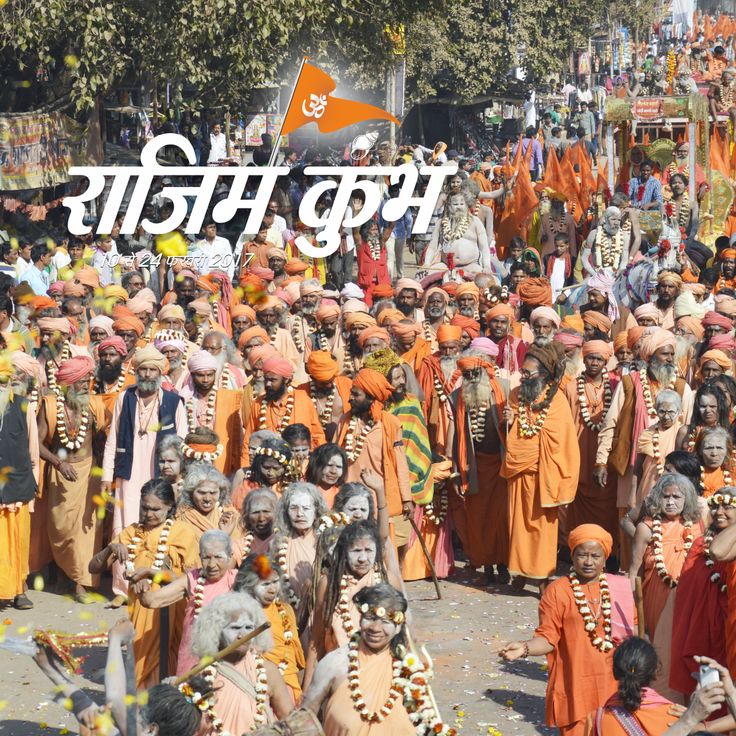
Drinks and meat are often restricted around the festival, which shapes the vibe and food culture for anyone visiting at that time.
Unlike big commercialized fairs that can sometimes blur tradition into spectacle, Rajim’s Kumbh feels grounded — a mix of faith, community, and unedited local culture.
Connectivity — Making Rajim Easier to Reach
One practical shift in recent days is the improvement in connectivity. A new Raipur-Rajim MEMU train service has been launched, making it affordable and convenient to travel between the state capital and Rajim in about 90 minutes on a regular commuter line.
For someone who grew up assuming pilgrimage towns must be remote and arduous to reach, this sharp reduction in travel friction changes a lot. A ₹15 fare and direct rail link isn’t just a convenience — it’s a way of inviting more people to experience Rajim’s layered offerings.
That said, it also means you might see more visitors during festival times; so if you prefer calm mornings by the river, plan accordingly.
The Pulse of Everyday Life — Beyond Temples and Rituals
If you think Rajim is only about temples and festivals, you’ll miss half its story.
Walk through local markets and you’ll find vegetable vendors calling out prices, elders playing cards under shady verandas, chaiwalas stirring kettles over wood fire. Life here isn’t a backdrop for spirituality — it’s spirituality embedded in everyday routines.
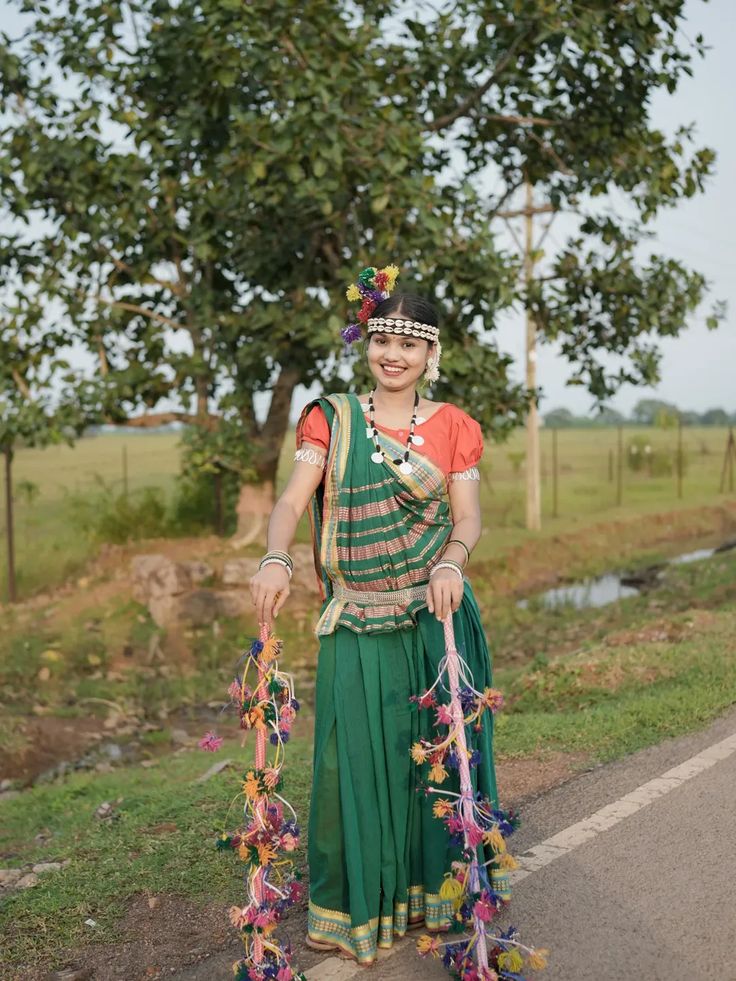
Children in school uniforms dash down lanes at the end of the day. Women return from fields with jute sacks on their heads. Men repair bicycle wheels by the roadside. It’s human, unselfconscious, and rhythmically real.
Small eateries serve Chhattisgarhi staples — simple dal-baati, steaming rice, and seasonal greens — often with hospitality that feels more personal than polished. Sometimes the best conversations happen here, over plates of hot food and cool lassi.
Nature and Stillness — Quiet Corners to Breathe
While Rajim’s defining identity is spiritual, nature gently folds into the experience.
Walk up the riverbank at sunset and you’ll see egrets and cormorants dipping into the water. Monsoon transforms the fields into lush oceans of green. Early morning fog slithers along the rivers, blurring the line between earth and sky.
Nearby landscapes aren’t dramatic like gorges or waterfalls, but they have a soft, reflective quality. If you sit by the water long enough, you start to notice the subtle soundtrack of wind in reeds, water lapping against stone, and the distant toll of temple bells.
Where to Stay (and Where Not to Expect Five Stars)
Rajim doesn’t have luxury resorts or boutique stays in the way bigger cities do. Accommodations range from basic guesthouses to modest hotels. If you want comfort, you might base yourself in Raipur and make a day trip or overnight to Rajim.
But here’s a brutal truth: expecting plush amenities near tea gardens and river ghats will only lead to disappointment. Rajim’s charm isn’t its marble bathrooms — it’s its authenticity. If you treat your accommodation as a roof over a curious night’s sleep and plan more time outside exploring, you’ll be fine.
Ask locals for recommendations rather than rely solely on big booking apps — sometimes that’s where you find the unexpected gems.
Taste and Rhythm — Simple Flavors, Deep Impressions
Food in Rajim is uncomplicated, hearty, and rooted in local produce.

Expect:
- Dal and rice paired with seasonal vegetables.
- Chutneys made from tamarind or millet.
- Hot chai spiced with ginger or cardamom in the mornings.
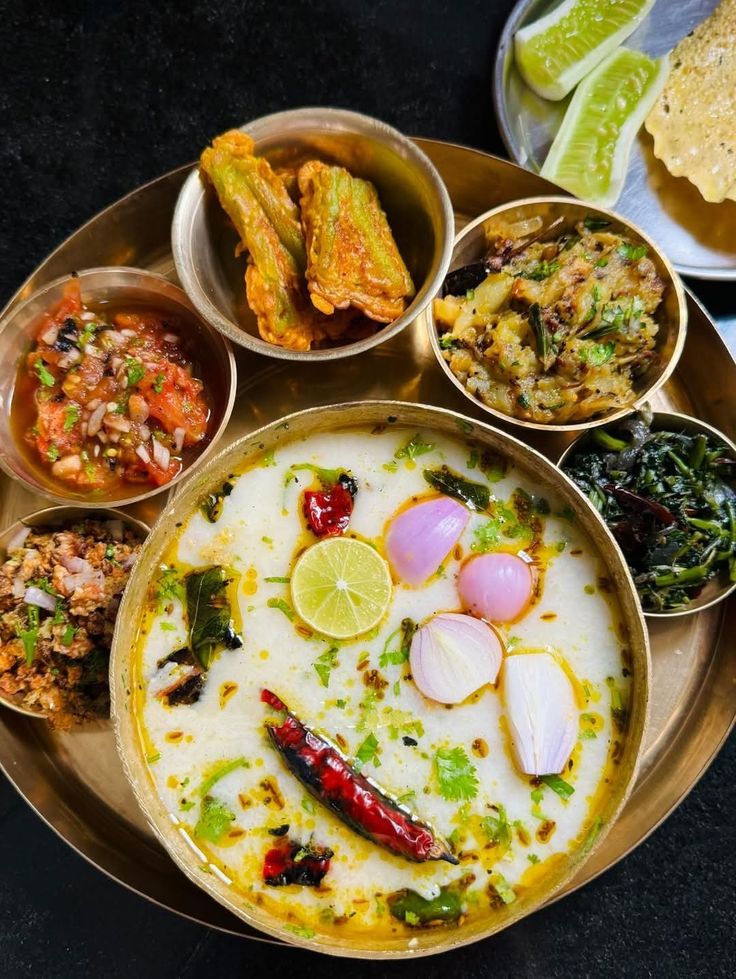
Street food is not elaborate, but sheds light on the everyday palate here — familiar spices without pretentious twists.
You won’t find hip coffee shops or fusion cuisine, and that’s not a criticism — that’s simply not the point of Rajim. If something doesn’t feel like a curated tourist experience, it’s likely because it’s just genuine local life on a plate.
Reflections — Why Rajim Matters (Even if It’s Not Instagram-Perfect)
Here’s where I pause and offer honesty: Rajim is not a destination for everyone.
If you crave luxury, curated tours, or Instagrammable landmarks alone, you may find this town understated. There’s no signature cable car, no grand waterfall, no palace ruins dominating hillsides.
But if you travel for depth, for quiet observation, for layers of faith, history, and humanity entangled in sand and stone, Rajim delivers.
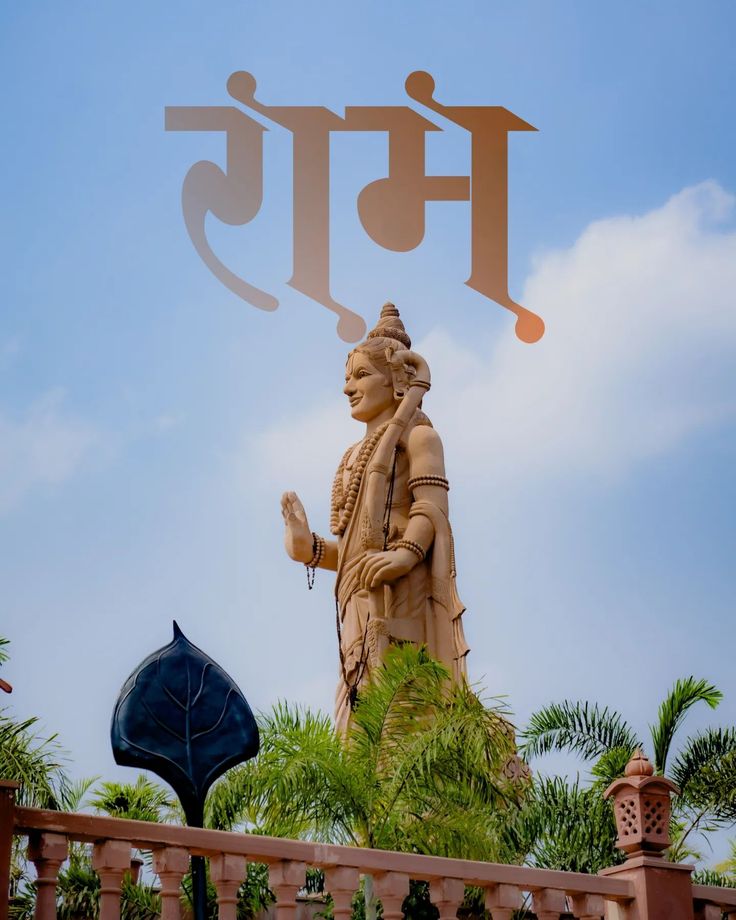
It’s a place that doesn’t demand attention — it earns it, through river currents and temple stones, through unhurried moments.
You’ll remember:
- The smell of damp earth near the rivers.
- The way pilgrims bless themselves at dawn.
- How temple carvings seem to speak in shadows when the sun hangs low.
Rajim challenges you to slow down. To sit. To watch life move at its own pace.
Not all journeys need to be loud to be profound.
Practical Tips Before You Go
Best Time to Visit:
Cooler months (October–March) bring comfortable mornings and vibrant festival energy. Mid-February to March is when Rajim Kumbh Mela peaks, but also when crowds swell.
Getting There:
- Train: Daily MEMU from Raipur makes accessibility easier and affordable.
- Road: Regular buses and taxis from Raipur (~45 km).
- Air: Nearest airport is Raipur’s Swami Vivekananda Airport; taxis and buses connect onward.
Stay Options:
Modest hotels and guesthouses in town. For more comfort, stay in Raipur and commute.
Local Etiquette:
Dress modestly at temples and during festivals. Respect silence during rituals.
Food & Drink:
Local vegetarian options dominate especially during festival seasons.
Rajim Photo Guide — What To Capture
You won’t need professional gear — just a decent smartphone camera is enough. These are the shots that matter:
Triveni Sangam (River Confluence)
- Golden hour reflections: Sunrise or sunset on the confluence of the Mahanadi, Pairi, and Sondur rivers — locals believe a holy dip here purifies the soul.
- Pilgrims bathing / rituals: Candid moments of devotion in the ghats.
- Wide panorama: Sweep across the three rivers meeting — the classic Rajim shot.
Rajiv Lochan Temple
- Entrance carvings: The ornate doorways and pillars rich with mythic reliefs.
- Four-armed Vishnu statue: The main deity inside the sanctum.
- Courtyard details: Smaller shrines and antique stonework.
Kuleshwar Mahadev Temple
- River setting: Temple near the sacred confluence overlooking the rivers.
- Lingam & Nandi: Devotional focus amid serene surroundings.
- Devotees and rituals: Respectful shots of puja ceremonies.
Ramachandra & Other Smaller Temples
- Rustic charm: Old-world temple structures away from crowds.
- Local worship: People offering flowers or incense.
Street & Market Scenes
- Local life: Fruit sellers, chai stalls, daily bustle.
- Evening lights: Ghats and temple façades under soft evening glows.
Rajim Temple Map Overview (Quick Reference)
Here’s the mental map you’ll want while walking around Rajim. It’s simple and grounded, not a tourist brochure:
Heart of Rajim
- Rajiv Lochan Temple – Central pilgrimage site dedicated to Vishnu.
- Ramachandra Temple – Ancient temple with modest structure and vivid historical feel.
- Other Small Temples Nearby
- Rajeshwar
- Daneshwar
- Jagannath
- Pancheshwar Mahadev
- Someshwar Mahadev
(Often quiet and great for unhurried photos & moments.)
Along the River / Ghats
- Kuleshwar Mahadev Temple – Shiva temple close to the sacred confluence.
Other Spots Around Town
- Local markets & street nodes – everyday life, snack stalls, souvenir stands.
- Walkable routes between temples – comfortable 10–20 minute strolls connecting most sites.
Tip: Most of these are walkable within the main village area — no need for transport if you pace your day. Grab a local guide for deeper stories behind carvings and festival lore.
Best 3-Day Rajim Itinerary
You’ll want a rhythm — calm mornings, vibrant mid-day experiences, and reflective evenings by the river.
Day 1 — Temples & Sacred Waters
Morning
- Triveni Sangam at dawn: Capture the rivers’ confluence in tranquil light, watch locals perform early puja.
- Kuleshwar Mahadev Temple: Walk the riverbank and photograph the temple’s setting beside the water.
Mid-Morning
- Breakfast at a local stall: Try chai with samosa and local snacks — simple, fulfilling, and photogenic when served on banana leaves.
Late Morning
- Rajiv Lochan Temple: Take your time here — multiple angles, pillars, close-ups of carvings.
Lunch
- Eat at a small local dhaba — dal-bhaat, chutneys, seasonal veggies.
Afternoon
- Ramachandra & smaller shrines: Quiet moments and texture-rich shots of brick and age-worn walls.
Evening
- Golden hour at the ghats: Light hitting the water and temples — aim for silhouettes.
Dinner
- Try another local favorite — authentic Chhattisgarhi flavors.
Day 2 — Culture, Local Life & Sunset
Morning
- Walk through the local market: Capture shop fronts, colorful textiles, ritual flowers.
Mid-Morning
- Laid-back village walk: Photograph kids in uniforms, elders sipping tea, daily rhythms.
Noon
- Return to Rajiv Lochan or Kuleshwar for shots in brighter light — different mood than early morning.
Lunch
- Try local snacks like chana samosa, bara or rice flour laddoos.
Afternoon
- Explore nearby spots:
- Laxman Jhoola area — fun scenic place near town.
- Nehrughat & local dams — offer simple natural scenery.
Sunset
- Riverbank seat: Watch the sun cast long shadows on the water.
Dinner
- Quiet local meal — ask a local family for the best plate in town.
Day 3 — Optional Side Trip & Festival Vibes
This day is flexible — tailor it for deeper cultural immersion or a short day trip.
Option A — If visiting during mid-Feb to March (Festivals)
- Participate / Photograph Rajim Kumbh rituals:
- Morning holy dip and ritual processions.
- Cultural performances and evening arati on the water.
Option B — Nearby Excursion
- Sirpur (45 km): Ancient temples, archaeological parks — excellent for history buffs and photography.
- Raipur City (45–50 km): Museum, markets, parks — practical combination.
Late Afternoon
- Return to Rajim for final river views or a relaxed town stroll.
Practical Tips (Not Tourist Fluff)
Best Time to Visit:
Cool months (Nov–Mar) — pleasant light and weather, crucial for photography.
Arrival:
Raipur is your transport hub — airport, trains, taxis — then a bus or taxi to Rajim (~45 km).
Walking & Gear:
Most sightseeing is foot-friendly. Carry water, sunscreen, and a lightweight tripod for low-light shots.
Respect & Access:
Always ask before photographing people in worship or private moments at the ghats.
📌 Final Visual Checklist
Keep this image list on your phone as you explore:
✔️ Dawn over Triveni Sangam
✔️ Long shots of rivers meeting
✔️ Temple pillars & carvings (macro and wide)
✔️ Devotees in prayer (respectful distance)
✔️ Local street scenes & markets
✔️ Sunset silhouettes on ghats
✔️ Festival processions (if in season)
Final Thoughts — Rajim Is a Pause Button
Visiting Rajim feels like stepping into a corner where time negotiated a slower pace. It doesn’t shout; it murmurs. It doesn’t glitter; it resonates. If you travel with curiosity and the willingness to feel rather than just see, Rajim might very well become one of those places in your memory that feels less like a location and more like a quiet teacher.
And honestly? That’s damn rare.